 |
 |
 |


VELAGLIFLOZIN

Australian researchers report that this new drug is showing promise as both a preventative and treatment for laminitis induced by insulin dysregulation in horses.
Their study entitled "The sodium-glucose co-transporter 2 inhibitor velagliflozin reduces hyperinsulinemia and prevents laminitis in insulin-dysregulated ponies” was recently published in PLoS One.
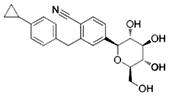
Velagliflozin is a new drug designed to counteract the effects of insulin dysregulation in horses, the most important effect being the development of laminitis. As a sodium-glucose cotransport 2 inhibitor, Velagliflozin works to stop high glucose concentrations from circulating in the blood by encouraging the kidneys to release it into urine. Similar drugs are already in use in human medicine.
Martin Sillence, BSc (Hons), PhD, a professor of biological sciences at Queensland University of Technology, in Brisbane, Australia and his colleagues tracked 49 ponies with high insulin levels over a period of 39 days. Their protocol included 18 days of a non-structural carbohydrate (NSC) challenge, during which the researchers fed the ponies meals with high NSC levels, such as sweet feeds with molasses. The team analyzed the ponies’ blood glucose and insulin levels regularly and watched them for clinical signs of laminitis.

Twelve of the 49 ponies received velagliflozin daily (throughout the experiment, including the 21 days before the NSC challenge); the other 37 ponies served as untreated controls.
None of the treated ponies developed laminitis during the course of the trial. Fourteen of the 37 control ponies (or 38%) did display clinical symptoms, however. Moreover, the treated ponies had markedly lower blood glucose and insulin responses as compared to untreated ponies: As much as 45% lower insulin concentrations were observed in treated ponies during the challenge.
When comparing control ponies that developed laminitis to treated ones, treated ponies’ insulin and glucose levels were 62% and 37% lower, respectively, during the diet challenge. If Velagliflozin continues to show promise in future trials comprising larger numbers of ponies and horses, the drug could come to market within a few years.